

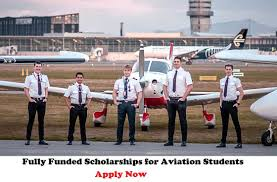
For aspiring pilots and aviation professionals, the dream of flight often collides with a daunting reality: the cost. Flight training in the United States can range from $70,000 to $100,000 or more, depending on the school and aircraft type-1. This price tag creates a barrier that many talented individuals simply cannot cross without help. But here is the truth that thousands of successful pilots already know: aviation scholarships exist, they are more accessible than you might think, and with the right approach, you can significantly reduce or even eliminate the financial burden of flight training.
The aviation industry is facing a historic pilot shortage. Airlines, aerospace companies, and aviation organizations are investing millions of dollars in scholarship programs to attract and train the next generation of pilots and aviation professionals. This means that right now, there are more scholarship opportunities available than perhaps at any other time in aviation history.
Aviation scholarships come in many forms. Some cover specific training milestones like the Private Pilot Certificate, while others support advanced ratings such as Instrument, Commercial, or Multi-Engine certifications-1. Some are designed for high school students just beginning their journey, while others target college students, career-changers, or specific demographic groups. Understanding the landscape is your first step toward finding the funding that fits your situation.
Major Aviation Scholarship Programs
The Experimental Aircraft Association offers one of the most accessible scholarship programs for young aviators. The EAA Flight Training Scholarships provide up to $10,000 to $16,000 for students aged 16 to 20 pursuing their Private Pilot Certificate. Through its Ray Aviation Scholarship program, EAA chapters nationwide award up to $12,000 to motivated young people committed to completing their flight training efficiently. Applicants typically need a student pilot certificate, an FAA medical certificate, and a clear training plan.
The Aircraft Owners and Pilots Association, the world’s largest aviation community, offers AOPA Flight Training Scholarships valued up to $20,000 for high school students actively involved in AOPA programs–. These scholarships target early-stage aviators and require demonstrated passion for aviation, strong academic standing, and participation in aviation-related activities.
For women pursuing aviation careers, Women in Aviation International is an essential resource. WAI administers hundreds of scholarships each year ranging from $5,000 to $20,000, covering everything from primary flight training to advanced ratings and type ratings. The organization partners with dozens of industry sponsors, creating opportunities at every stage of aviation education. Applicants must be WAI members, a small investment that opens doors to substantial funding.
The National Gay Pilots Association offers scholarships ranging from $2,000 to $15,000 for LGBTQ+ individuals pursuing aviation careers. What makes NGPA unique is its openness to international students; unlike many programs restricted to U.S. citizens, NGPA welcomes qualified applicants from around the world. This inclusivity makes it a valuable option for international students seeking U.S. flight training.
The Organization of Black Aerospace Professionals provides flight training scholarships up to $10,000 for Black and minority students pursuing aviation careers. Beyond financial support, OBAP offers mentorship, career guidance, and connections to industry professionals. Applicants must demonstrate commitment to aviation and often participate in OBAP programs and events.
The Ninety-Nines, the international organization of women pilots founded by Amelia Earhart and other pioneering aviators, offers scholarships for women holding at least a student pilot certificate. These awards support training across all levels and come with the added benefit of joining a network of accomplished female pilots.
For those seeking a direct path to airline careers, carrier-sponsored programs offer compelling opportunities. Republic Airways’ LIFT Academy, SkyWest Airlines’ Pilot Pathway Program, and United Airlines’ Aviate program provide scholarships or financing arrangements for accepted candidates. These programs often cover substantial training costs in exchange for a commitment to work for the sponsoring airline after certification.
University-Based Aviation Scholarships
Many universities with aviation programs offer internal scholarships to their students. Embry-Riddle Aeronautical University partners with Boeing to award Boeing Scholarships of $7,500 per year for two years to high-performing freshmen in aviation and aerospace programs. Marshall University provides access to multiple scholarship opportunities through its Aviation Department, including university foundation scholarships and industry-sponsored awards.
The Maryland Space Grant Consortium offers scholarships for students at affiliate institutions who pursue STEM fields relevant to aerospace and NASA. Award amounts vary and can cover tuition, books, fees, and room and board. Applicants typically need a 3.0 GPA and enrollment in a STEM major at a participating institution.
The Port Authority of New York and New Jersey recently launched a $2 million scholarship program providing full tuition for up to four years for students from communities surrounding JFK Airport to pursue aviation degrees at Vaughn College or York College. This program, funded by the Port Authority and private terminal partners, also includes paid internships and fellowships, creating a complete pathway from education to career.
Corporate and Industry Scholarships
The Boeing Company, through its partnership with the Thurgood Marshall College Fund, offers the Boeing TMCF Corporate Scholar Program for students attending Historically Black Colleges and Universities. This highly competitive program provides up to $30,000 in funding over two years, plus internships, mentorship, and potential full-time employment after graduation. Applicants need a minimum 3.0 GPA and must be U.S. citizens due to export control requirements.
The National Business Aviation Association offers the International Operators Scholarship of up to $8,000 for individuals entering business aviation or seeking to expand their careers in international operations. Applicants must submit an essay, letter of recommendation, and application by the deadline.
The Air Force Assistance Fund offers scholarships through its Aviation Education Program for high school students aged 16 to 19 with a 3.0 GPA and fewer than five powered flight hours. Recipients receive up to 15 flight hours, ground school, and mentorship from Air Force aviators. U.S. citizenship is required.
A Note for International Students
The question of whether international students can access U.S. aviation scholarships is complex. Many programs, particularly those funded by government agencies or defense contractors, require U.S. citizenship or permanent residency. However, opportunities exist for non-U.S. citizens through organizations like NGPA, some university programs, and industry associations.
If you are an international student, research carefully. Contact scholarship providers directly to confirm eligibility before investing time in applications. Look for programs that explicitly welcome international applicants or that do not specify citizenship requirements. Remember that TSA approval is required for non-U.S. citizens to begin flight training in the United States, so factor this into your planning.
How to Strengthen Your Application
Winning an aviation scholarship requires more than filling out forms. Successful applicants demonstrate genuine passion for aviation, often through membership in organizations like EAA, AOPA, or local flying clubs. They maintain strong academic records, with many scholarships requiring a 3.0 GPA or higher. They gather compelling letters of recommendation from flight instructors, teachers, or mentors who can speak to their character and commitment.
Your personal statement or essay is critical. Use it to tell your story, explain your aviation goals, and show scholarship committees why you are worth their investment. Be specific about your training plans, your career aspirations, and how the scholarship will make a difference. Generic statements are forgettable. Specific, authentic stories are memorable.
Start early. Scholarship deadlines vary widely, and some require submission months before training begins. Keep a calendar of deadlines, gather documents in advance, and submit applications as early as possible. Many scholarships are reviewed on a rolling basis, and early applicants may have an advantage.
Conclusion
The path to becoming a pilot in the United States is not an easy one, and the financial cost often stands as the tallest hurdle. But here is the reality that every commercial pilot flying today understands: very few of them paid the full cost of their training out of pocket. They pieced together scholarships, grants, and financing options. They applied to multiple programs, faced rejections, and kept applying. They found mentors who believed in them and organizations willing to invest in their futures.
What makes this moment unique in aviation history is the industry’s recognition that the pilot shortage is real and that solving it requires opening doors. Airlines, aircraft manufacturers, aviation associations, and individual donors are pouring millions of dollars into scholarship programs because they understand that the next generation of aviators will not come from privilege alone. They will come from every background, every community, every corner of the country and the world. The money is there for those who seek it.
Frequently Asked Questions
Can international students apply for aviation scholarships in the USA?
It depends on the scholarship. Many aviation scholarships, particularly those funded by government agencies or defense contractors, require U.S. citizenship or permanent residency. However, opportunities exist for international students through organizations like the National Gay Pilots Association, some university programs, and industry associations. Contact scholarship providers directly to confirm eligibility before applying. Also remember that non-U.S. citizens must obtain TSA approval before beginning flight training in the United States.
How much does flight training actually cost?
Flight training costs vary widely depending on the school, location, aircraft type, and ratings pursued. A Private Pilot Certificate typically costs $10,000 to $18,000. Adding Instrument and Commercial ratings brings the total to $40,000 to $70,000. A full zero-to-airline program, including Multi-Engine and Certified Flight Instructor ratings, can range from $70,000 to $100,000 or more. These estimates do not include living expenses or the cost of delays due to weather or aircraft availability.
What GPA do I need for aviation scholarships?
Most competitive aviation scholarships require a minimum GPA of 3.0 on a 4.0 scale. Some programs, particularly those targeting high school students, may accept slightly lower GPAs if balanced by strong extracurricular involvement or demonstrated passion for aviation. The most prestigious awards often expect GPAs of 3.5 or higher combined with excellent recommendations and compelling personal statements.
Do I need a medical certificate before applying for scholarships?
For scholarships supporting flight training, you generally need at least a student pilot certificate and an FAA medical certificate before funds are disbursed. The medical certificate requirement is particularly important because certain medical conditions can disqualify you from becoming a pilot. Scholarship committees want to ensure their investment supports candidates who can complete training. Obtain your medical certificate early to avoid complications.
What is the best age to start applying for aviation scholarships?
Aviation scholarships exist for every age and stage. High school students can apply for programs like EAA’s Ray Aviation Scholarship starting at age 16. College students have access to university-based awards and industry scholarships. Career-changers in their 30s, 40s, and beyond can find opportunities through organizations like WAI, NGPA, and professional associations. The key is matching your profile to the right scholarship, not your age.
Can I use aviation scholarships at any flight school?
Most scholarships have approved training providers. Some are tied to specific schools like Embry-Riddle or specific flight schools affiliated with the sponsoring organization. Others allow you to choose any FAA Part 61 or Part 141 flight school. Read scholarship terms carefully. If you already have a preferred flight school, confirm they accept the scholarship before applying.
What documents do I need to apply?
Typical requirements include academic transcripts, proof of U.S. citizenship or eligible immigration status, FAA medical certificate or student pilot certificate, letters of recommendation from flight instructors or teachers, a personal statement or essay, and proof of membership in the sponsoring organization if required. Start gathering these documents early so you are ready when application windows open.