

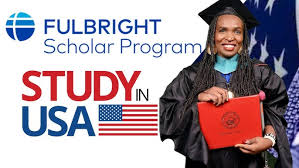
For international students dreaming of an American graduate degree, the Fulbright Program represents the gold standard of scholarships. It is not just financial aid. It is a passport to academic excellence, cultural exchange, and a lifelong network of influential alumni that includes forty-one heads of state, sixty-two Nobel laureates, and thousands of leaders across every imaginable field.
The Fulbright Foreign Student Program brings approximately four thousand students from more than 155 countries to the United States each year for master’s and PhD study . If you are reading this and wondering whether you could be among them, the answer is yes, provided you understand what the program offers, what it expects, and how to present yourself as the kind of candidate Fulbright committees are looking for.
What does Fulbright actually cover? The answer varies somewhat by country, but the core package is consistently generous. Most Fulbright grantees receive full tuition coverage for up to two years of graduate study, a living stipend to cover housing and daily expenses, health insurance, round-trip airfare, and book allowances . Some programs also include pre-academic training and enrichment seminars throughout your time in the United States . For Austrian applicants, funding reaches up to fifty thousand dollars for one-year programs and seventy-five thousand dollars for multi-year programs, with additional travel and relocation allowances . This is the definition of fully funded.
Eligibility requirements follow a common pattern across countries, though you must check the specific rules for your home nation. Generally, you need citizenship in the country where you apply, a completed bachelor’s degree with excellent grades, and strong English proficiency demonstrated through TOEFL or IELTS scores . Some countries require professional work experience, with Sierra Leone’s program asking for five years and Lebanon’s MBA track requiring two years . You must also demonstrate that you intend to return home after your studies, as Fulbright is an exchange program designed to build mutual understanding, not an immigration pathway .
The application timeline requires planning well in advance. Most countries open applications roughly twelve to eighteen months before your intended start date. Lebanon’s 2026 program closed in May 2025 . Sierra Leone’s 2027-28 cycle opens February 2026 and closes April 2026 . Belgium and Luxembourg accept applications from September to December . Austria’s window runs February through May . The common thread is that you must start researching at least a year ahead and give yourself months to prepare materials.
Your application package typically includes several components that work together to tell your story. The online application form captures your basic information. Your academic transcripts and diploma must be submitted, with certified translations if originals are not in English . You need three letters of recommendation from people who know your work well and can speak specifically to your qualifications . Your resume or CV should follow American formatting, omitting personal details like photos, birth dates, or marital status that are common in other countries .
The two essays are where you truly distinguish yourself. The Study or Research Objectives essay describes what you want to study in the United States and why. Be specific about your field and interests, but write accessibly enough that non-experts on the selection committee can understand your proposal . The Personal Statement tells your story, explaining who you are, what has shaped your path, and how a Fulbright award fits into your longer-term goals . These essays require multiple drafts and honest feedback from mentors.
Some countries require standardized test scores at the time of application, while others allow nominated candidates to take tests later. Austria provides GRE and TOEFL vouchers after admission to the program . Sierra Leone does not require scores for initial shortlisting . Lebanon accepts Duolingo English Test scores alongside TOEFL and IELTS . Check your country’s specific requirements carefully so you know whether testing must be completed before you apply.
The selection process looks for more than grades. Fulbright committees evaluate your academic record, but they also consider your qualifications for your proposed program, your professional and volunteer engagement, your career objectives, and the quality of your study proposal . Communication skills and English proficiency matter enormously. Most importantly, committees seek candidates who demonstrate ambassadorial qualities and genuine interest in cultural exchange . They want people who will represent their countries well in the United States and return home to share what they have learned.
Interviews are a standard part of the process for top candidates. If you are shortlisted, expect a conversation about your motivations for going to the United States, your plans after arrival, and how you will maintain ties with your home country and contribute as an alum . Successful candidates can explain their academic proposals in simple terms and show genuine enthusiasm for bridging cultures.
If you receive a Fulbright grant, you will travel to the United States on a J-1 exchange visitor visa. This visa carries a two-year home residency requirement, meaning you must return home for at least two years after your studies before becoming eligible for certain work visas or permanent residence in the United States . This requirement aligns with Fulbright’s core mission of exchange and return, so understand it going in rather than being surprised later.
Throughout your grant period, you will participate in orientations, enrichment seminars, and programming designed to connect you with other Fulbrighters and American communities . You become part of a global network that supports you during your studies and remains valuable throughout your career. Fulbright alumni help each other find opportunities, collaborate across borders, and advance in fields from academia to government to business.
The key to a successful application is starting early and seeking guidance. Visit the Fulbright website for your country, which you can find through the U.S. Embassy or binational Fulbright commission pages. Attend information sessions if available. Talk with advisors at EducationUSA offices or your university’s fellowship office. Connect with Fulbright alumni who can share insights about the process and the experience. Give your recommenders plenty of time and provide them with information about your goals and qualifications.
The Fulbright Program is competitive, there is no sugarcoating that. But competitive does not mean impossible. Thousands of international students from every region of the world receive Fulbright grants each year. With careful preparation, authentic self-presentation, and a clear vision for how you will contribute to mutual understanding, that grant could have your name on it. Your American education journey could begin with Fulbright.
Conclusion
The Fulbright Program stands apart from other scholarships for a reason. It is not simply a funding mechanism, though the financial support is certainly transformative. It is a philosophy about what international education should achieve. The program exists to build bridges between nations, to create mutual understanding, and to develop leaders who will carry those connections forward throughout their careers and lives.
For international students considering this path, the question is not whether you are good enough for Fulbright. The question is whether you understand what the program truly seeks. Fulbright does not want applicants who simply want an American degree. It wants applicants who see themselves as cultural ambassadors, who understand that their time in the United States is about exchange as much as education, and who genuinely intend to return home and apply what they have learned for the benefit of their communities and countries.
Frequently Asked Questions
What is the difference between Fulbright and other scholarships?
Fulbright is unique because it emphasizes mutual understanding and cultural exchange, not just academic achievement. The program expects you to serve as a cultural ambassador for your home country while in the U.S. and to return home afterward to share what you have learned. This exchange mission shapes every aspect of the program, from selection criteria to the required J-1 visa with its two-year home residency requirement.
Can I choose any university in the United States?
You can apply to any accredited U.S. university, but admission is not guaranteed. Fulbright helps facilitate your applications, but you must be accepted by a university to take up the award. Some countries have partnerships with specific institutions or provide lists of recommended schools. You should research programs that fit your academic goals and have strong departments in your field.
Do I need to already be accepted to a university before applying to Fulbright?
Generally, no. Most applicants apply to Fulbright first and then work with the program on university placements if selected. Some countries require you to apply to universities concurrently or provide proof of admission. Check your country’s specific guidelines. The key is that Fulbright handles the process differently depending on your home country’s bilateral agreement with the United States.
What happens if I am not accepted by any university after receiving Fulbright?
This situation is rare because Fulbright includes a university placement process. Commissions and embassies work with grantees to identify appropriate programs and often have relationships with U.S. universities that welcome Fulbright students. If you are not admitted anywhere, the award typically cannot proceed, but the placement support minimizes this risk.
How competitive is the Fulbright Program?
Very competitive, but the level varies by country. Some countries receive hundreds of applications for a handful of awards. Others have fewer applicants relative to their allocation. What remains constant is that successful applicants are exceptional candidates with strong academics, clear goals, and genuine ambassadorial qualities. Do not let competition discourage you, but do understand that you must put forward your very best application.
Can I apply for a PhD through Fulbright?
Yes, absolutely. Many Fulbright grantees pursue doctoral degrees. However, funding is typically limited to two to three years, so you must have significant support from your university for the remaining years. Some countries prioritize master’s applicants, while others welcome PhD candidates. Check your country’s guidelines and discuss your plans with the Fulbright commission if you have questions.
What if my TOEFL or IELTS scores are not ready by the deadline?
This depends on your country’s requirements. Some countries require test scores with the initial application. Others allow nominated candidates to complete testing later and may even provide vouchers for the exams. Read your country’s Fulbright website carefully. If scores are required and you do not have them, your application will likely be considered incomplete.
Can I apply if I already started graduate studies in my home country?
Generally yes, but you must be clear about your status. Some countries prefer applicants who have not yet begun graduate studies. Others welcome current graduate students who want to transfer or pursue additional degrees. Be transparent about your academic history and explain how a Fulbright award fits into your overall educational journey.
Is there an age limit for Fulbright applicants?
Age limits vary by country. Some programs have explicit maximum ages, often around 35. Others have no age restrictions. Belgium’s program explicitly states no age limits. Check your country’s requirements rather than assuming either way. If you are older and your country has no limit, focus on presenting your experience as an asset rather than a concern.
Can I bring my family with me on a Fulbright grant?
Yes, you can generally bring your spouse and dependent children, but the grant does not automatically cover their expenses. You will need to demonstrate additional financial resources to support them, and their visas must be arranged separately. Some countries provide additional allowances for grantees with families. Check with your Fulbright commission about specific policies and planning considerations.
What is expected of me after I return home?
Fulbright expects you to become an active alum. This means staying connected with other grantees, sharing your experiences, and contributing to mutual understanding between your country and the United States. Many alumni speak at information sessions, mentor new applicants, and participate in exchange activities. The program invests in you because it expects you to continue building bridges throughout your career.