

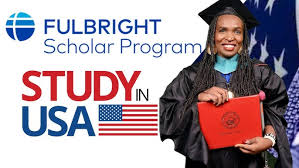
Let’s clear the air. You’ve probably heard of the Fulbright Scholarship. It sounds prestigious, maybe a little intimidating, and often comes with a swirl of questions. Is it only for geniuses with perfect grades? What does it actually do? And how on earth do you even begin to apply?
If you’re feeling a mix of curiosity and overwhelm, you’re in the right place. This isn’t just another dry, formal summary. This is a straightforward look at the Fulbright—what it stands for, who it’s for, and the practical steps to turn it from a far-off dream into a tangible goal. Think of this as your first, friendly briefing.
So, What Exactly is the Fulbright Scholarship?
At its heart, the Fulbright Program is not merely a scholarship; it’s a global cultural exchange mission. Established by U.S. Senator J. William Fulbright in 1946, its purpose is profound in its simplicity: to foster mutual understanding between the people of the United States and the people of other countries.
For you as an international student, this means the Fulbright is your opportunity to pursue graduate study, advanced research, or English teaching in the U.S. while acting as a cultural ambassador for your home country. It’s a two-way street. You’re not just there to learn; you’re there to share your perspective, build lasting professional ties, and bring your enriched experience back home. This ethos of exchange is the program’s core—it’s the lens through which every application is viewed.
Are You Eligible? Breaking Down the Core Criteria
Eligibility isn’t a single checklist. It’s a combination of factors set by the Fulbright Commission or U.S. Embassy in your home country. Rules vary, but here are the universal pillars:
- Citizenship & Residency: You must be a citizen of a participating country and, in most cases, be residing there at the time of application. This is non-negotiable.
- Academic Excellence: You generally need an outstanding academic record, equivalent to a U.S. Bachelor’s degree (for graduate grants). Strong transcripts are your foundation.
- ️Language Proficiency: You must be proficient in English, typically proven by tests like TOEFL or IELTS. You need to thrive in an English-speaking academic environment.
- ️The “Exchange” Mindset: You must demonstrate a clear desire and ability to contribute to cross-cultural understanding. This is where your personality and plans come into play.
Crucial First Step: Your absolute starting point is your own country’s Fulbright website. Search for “Fulbright [Your Country Name].” The specific deadlines, required tests (like GRE), and additional criteria listed there are your final authority.
What Are the Real Benefits? (It’s More Than Just Money)
Winning a Fulbright is a transformative package. The benefits are designed to let you focus entirely on your mission abroad:
- Full Tuition & Fees: Your graduate program costs are covered.
- Living Stipend: A monthly allowance for housing, food, and general living expenses, so you can live comfortably.
- Round-Trip Airfare: Travel to and from the U.S. is provided.
- Health Insurance: Comprehensive coverage for peace of mind.
- Professional & Cultural Support: You join a lifelong network of global leaders. You’ll have access to enrichment seminars, networking events, and the support of your local Fulbright Commission.
The intangible benefit, however, is the real prize: the prestige, the global network, and the personal growth that comes from being a “Fulbrighter.” It opens doors for a lifetime.
How to Apply: Your Realistic Roadmap
The process is a marathon, not a sprint. It requires strategic planning, often starting 12-18 months before the deadline. Here’s a phase-by-phase approach to keep you sane and on track.
Phase 1: Research & Self-Assessment (Start Early!)
This is your discovery phase. Spend a month just gathering information.
- Deep-dive into your country’s Fulbright website.
- Decide which grant type fits: a Study/Research Grant for a degree or project, or an English Teaching Assistant (ETA) grant.
- Honestly assess how your goals align with Fulbright’s mission of exchange.
Phase 2: Crafting Your Core Narrative
This is where you build your story on paper. You’ll focus on two key essays:
- The Study/Research Objective: This is your academic blueprint. Be specific. What will you study, where, and with whom? Why is a U.S. institution the perfect place to do it?
- The Personal Statement: This is your voice. Who are you beyond your grades? What experiences shaped you? How will you be an effective cultural ambassador?
These documents must work together to present a cohesive, compelling picture of you.
Phase 3: Building Your Support Team
You can’t do this alone. You’ll need:
- Strong Recommenders: Choose 3 people who know your work and character intimately—a professor, a thesis advisor, a supervisor. Provide them clear context and plenty of lead time.
- Standardized Tests: Register for and take any required exams (GRE, GMAT, TOEFL/IELTS) well in advance.
- University Research: Identify 3-5 U.S. universities that are a perfect fit for your goals. This shows serious preparation.
Phase 4: The Final Assembly & Submission
- Polish your essays until they shine. Read them aloud. Have mentors review them.
- Gather all documents (transcripts, diplomas, test scores).
- Complete the online application form meticulously.
- Submit well before the deadline to avoid last-minute tech disasters.
Phase 5: The Interview (If Shortlisted)
If your written application stands out, you’ll be invited for an interview. Be prepared to passionately discuss your project, your adaptability, and your commitment to Fulbright’s goals. Practice explaining your ideas clearly and concisely.
Making Your Application Stand Out
Remember, committees read thousands of applications. To make yours memorable, focus on:
- Clarity & Specificity: A simple, well-defined project beats a vague, grandiose one.
- Authenticity: Let your genuine passion come through. They select people, not just paper.
- The “Why You, Why Now”: Connect your past, your Fulbright plan, and your future impact back home in a logical, powerful story.
- Meticulous Presentation: Follow every instruction. A flawless application shows professionalism and respect for the process.
The Bottom Line
The Fulbright Scholarship is a life-changing opportunity for those who see education as a bridge between cultures. It’s competitive, yes, but it’s not unattainable. It’s designed for dedicated, thoughtful individuals who are ready to engage deeply with the world.
Your journey begins with a single, decisive action. Don’t just think about it. Open a new tab right now and find your country’s Fulbright website. Read the eligibility page. That simple act is the first, most important step on a path that could redefine your future.
Frequently Asked Questions (FAQs)
Who can actually apply for a Fulbright?
This is the most important question. Eligibility is determined by the Fulbright Commission or U.S. Embassy in your home country. You must be a citizen and usually a resident of a participating country, hold a Bachelor’s degree (or equivalent) with a strong academic record, and have English proficiency. The specific requirements—like minimum GPA, required tests, and age limits—vary by country, so your first step is always to check your own national Fulbright website.
Do I need to get into a U.S. university first?
No. For the Study/Research grant, you apply for the Fulbright first. If you are selected as a finalist, the program will work with you to secure placement at an appropriate U.S. university. Doing your own thorough research on potential universities and programs is a critical part of your application, but formal admission comes later in the process.
What’s the difference between the main types of grants?
For international students coming to the U.S., the two primary tracks are:
- Study/Research Grant: For pursuing a specific academic project or enrolling in a Master’s or PhD program.
- English Teaching Assistant (ETA) Grant: For teaching English in U.S. classrooms while serving as a cultural ambassador from your home country.
Your country may offer one or both. Check your specific program details.
How important are test scores like the GRE or TOEFL?
They are important, but their weight varies by country and grant type. For academic study grants, competitive GRE or GMAT scores are often a key component. Proof of English proficiency (TOEFL/IELTS) is almost always mandatory unless you are a native speaker or completed a prior degree in English. Never assume—always confirm the exact testing requirements on your country’s official website.
What does the scholarship cover financially?
It’s a comprehensive award designed to let you focus on your exchange. It typically includes:
- Full tuition and university fees.
- A monthly living stipend for housing, food, and other essentials.
- Round-trip international airfare.
- Basic health insurance.
Some grants may also include funding for books, research materials, or family support.
What makes an application successful?
A successful application tells a compelling story that goes beyond grades. It clearly connects your past experience to a feasible, well-researched project in the U.S., and then links that experience directly to your future goals and impact back home. Crucially, it must demonstrate your potential as a cultural ambassador—your adaptability, curiosity, and commitment to mutual understanding.
How long is the application process?
It’s a long-term commitment. From initial research to potentially starting your program, the entire cycle typically takes 18 to 24 months. For a grant starting in the Fall of 2025, applications are usually due between February and October of 2024. Starting early is your single biggest advantage.
Can I apply if I’m older or already have a Master’s degree?
Yes. Most Fulbright programs do not have a strict age limit and welcome applications from professionals at various career stages. The focus is on the merit of your proposal, your professional experience, and your ambassadorial potential, not just your age or the number of degrees you hold.
Who should write my letters of recommendation?
Choose recommenders who know you and your work deeply and personally. A professor who supervised your thesis, a direct manager who can speak to your project leadership, or a community leader who has seen your engagement is ideal. They should be able to provide specific anecdotes about your qualifications and character, not just general praise. Guide them by explaining the Fulbright’s unique cultural exchange mission.
Where do I apply?
All applications are submitted through your home country’s Fulbright program. You must find and follow the instructions on the official website for the Fulbright Commission or U.S. Embassy in your country. Do not apply through a general U.S.